Исследовательский процесс
76 иллюстрации из рецензируемых исследований
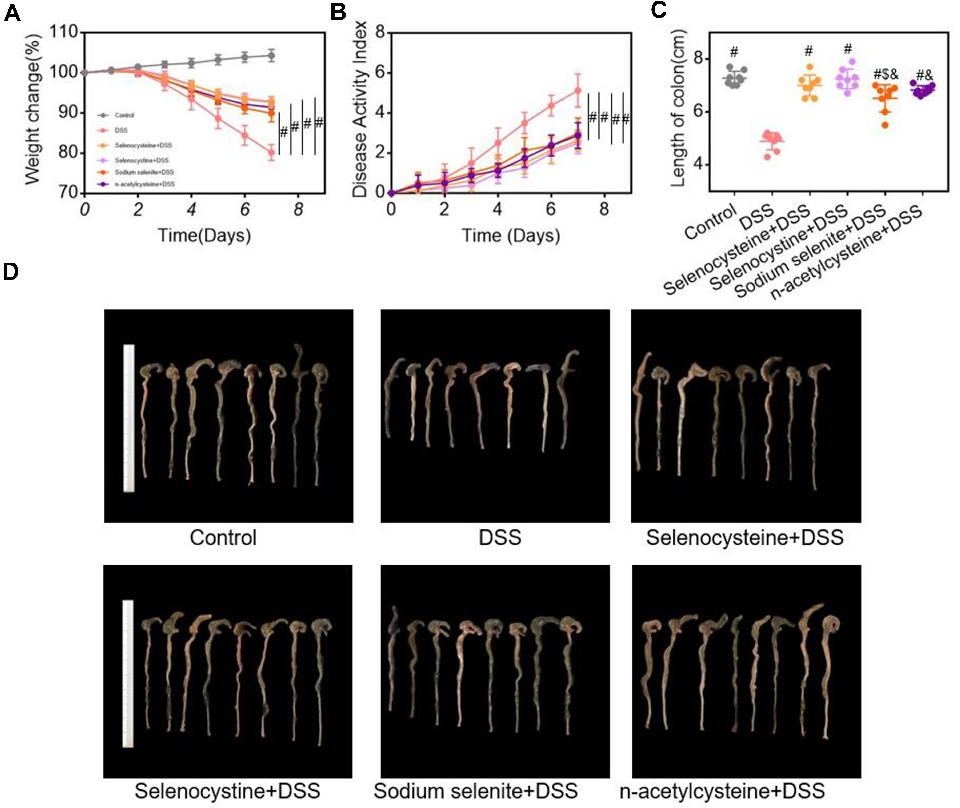
Selenium-Containing Amino Acids Protect Dextran Sulfate Sodium-Induced Colitis via Ameliorating Oxidative Stress …
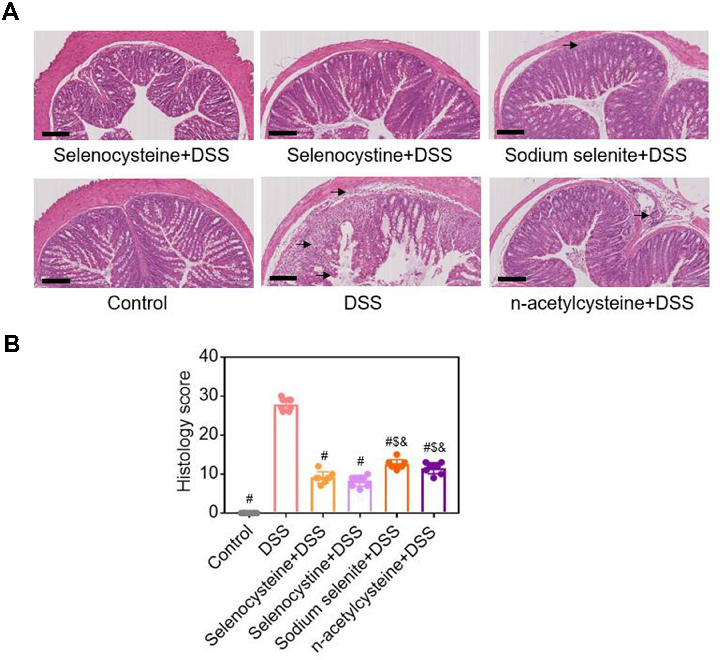
Figure 3 Histological examinations of effects of selenium-containing amino acids on DSS-induced IBD in mice. (A) Representative H&E-stained colon sections of each group (scale bar, 200 μm); (B) Histological scoring …
Selenium-Containing Amino Acids Protect Dextran Sulfate Sodium-Induced Colitis via Ameliorating Oxidative Stress …
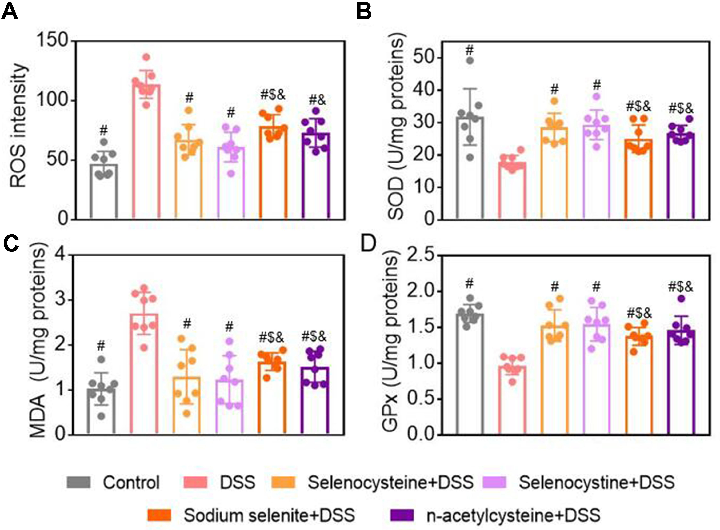
Selenium-Containing Amino Acids Protect Dextran Sulfate Sodium-Induced Colitis via Ameliorating Oxidative Stress …
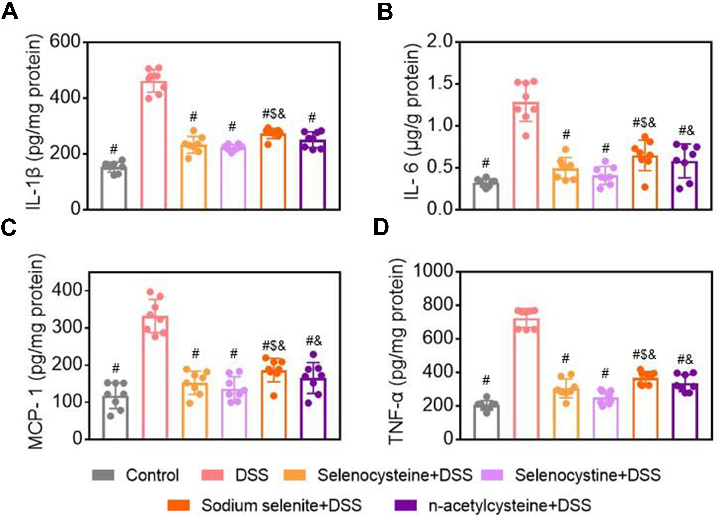
Selenium-Containing Amino Acids Protect Dextran Sulfate Sodium-Induced Colitis via Ameliorating Oxidative Stress …
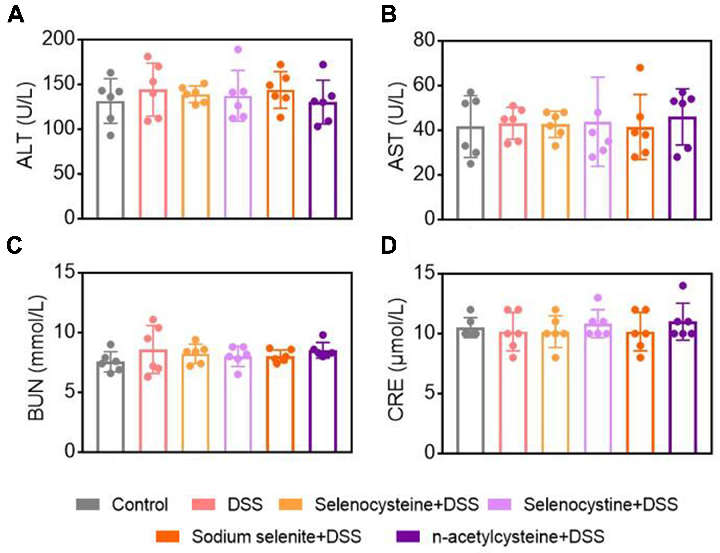
Figure 6 Effects of selenium-containing amino acids on biochemical test parameters in DSS-induced IBD in mice. Serum levels of (A) ALT, (B) AST, (C) BUN, and (D) CRE in different …
Selenium-Containing Amino Acids Protect Dextran Sulfate Sodium-Induced Colitis via Ameliorating Oxidative Stress …
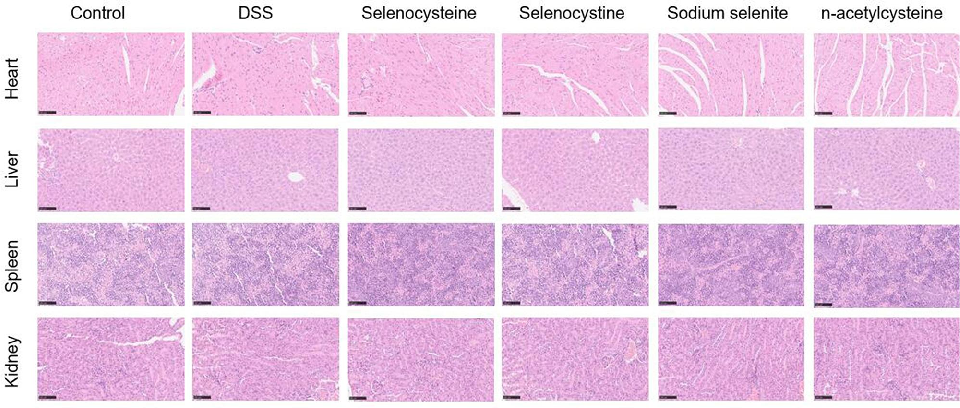
Figure 7 Histological examination of the safety of selenium-containing amino acids. Lung, kidney, heart, liver, and spleen tissues were collected, H&E stained, and analyzed for the safety profile of selenium-containing …
Selenium-Containing Amino Acids Protect Dextran Sulfate Sodium-Induced Colitis via Ameliorating Oxidative Stress …
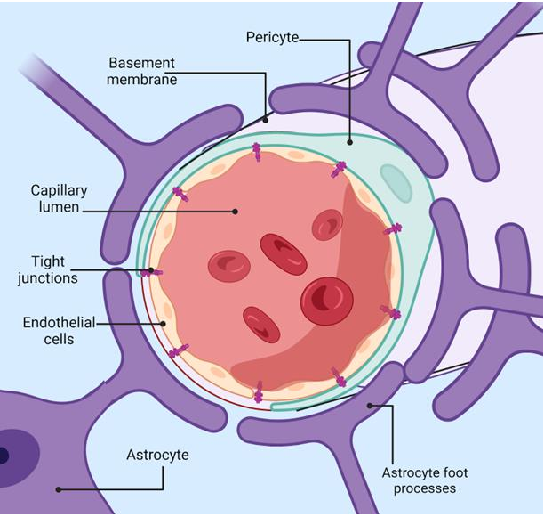
Various nanoparticle-based drug delivery systems designed to cross the blood-brain barrier are depicted, including liposomes, polymeric nanoparticles, and solid lipid carriers for Alzheimer's disease therapeutics.
Latest Perspectives on Alzheimer's Disease Treatment: The Role of Blood-Brain Barrier and …
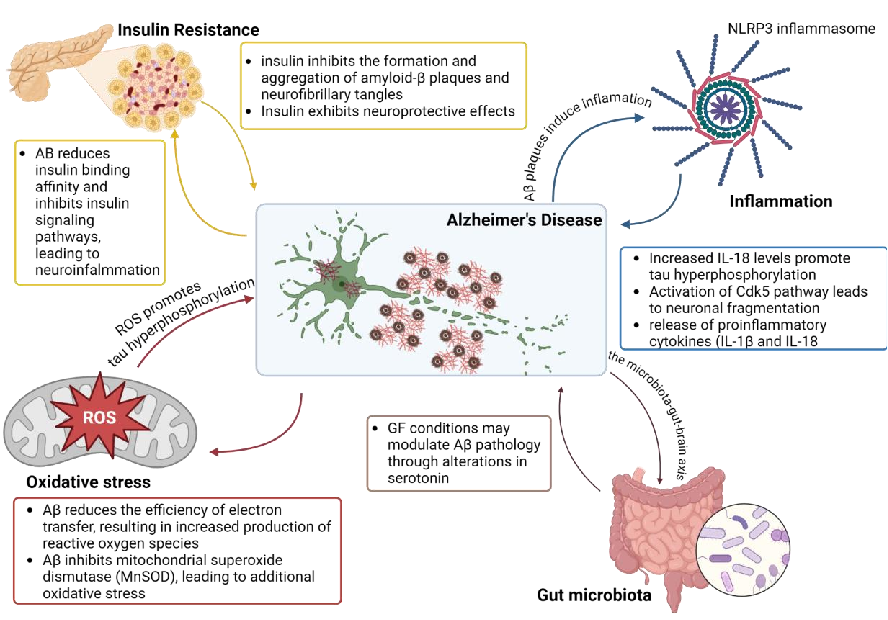
Antioxidant mechanisms relevant to Alzheimer's disease neuroprotection are summarized, highlighting how reactive oxygen species contribute to neurodegeneration and how antioxidant-loaded delivery systems may counteract oxidative damage.
Latest Perspectives on Alzheimer's Disease Treatment: The Role of Blood-Brain Barrier and …
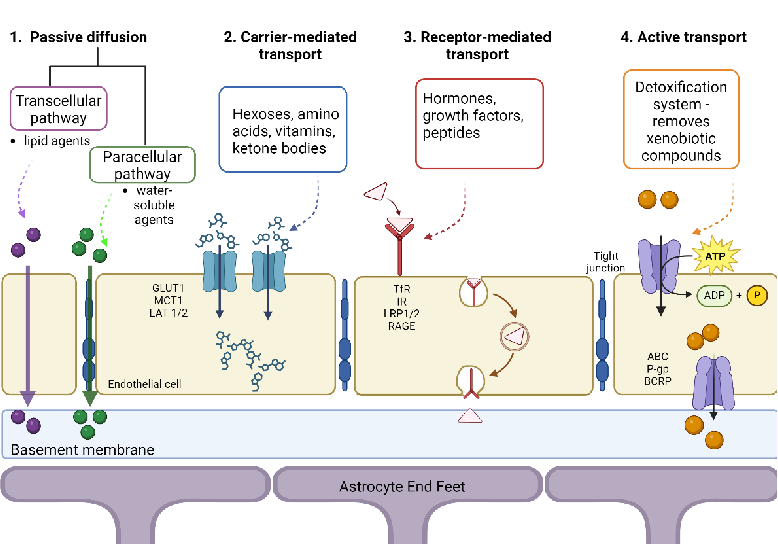
A comparative overview of different blood-brain barrier crossing strategies is presented, including receptor-mediated transcytosis, adsorptive transcytosis, and focused ultrasound approaches for drug delivery.
Latest Perspectives on Alzheimer's Disease Treatment: The Role of Blood-Brain Barrier and …
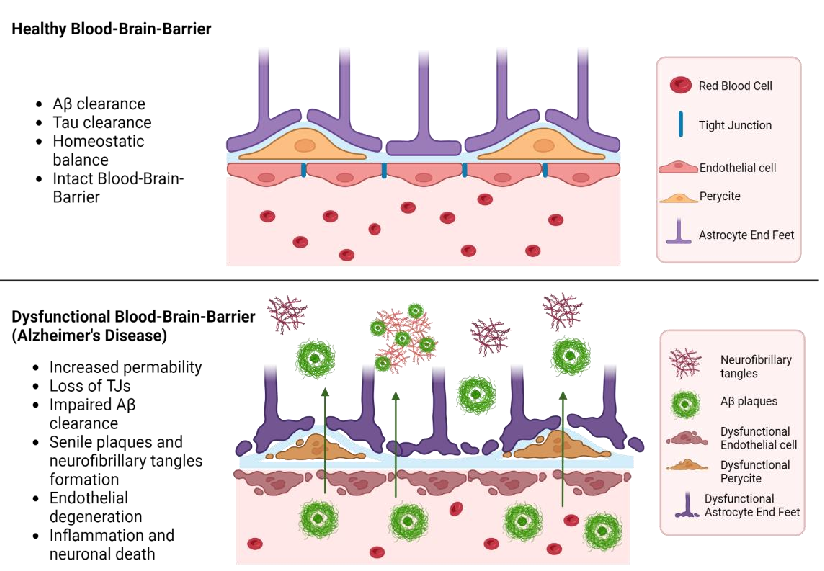
A schematic timeline of Alzheimer's disease progression alongside potential intervention windows for antioxidant and BBB-targeting drug delivery systems is shown, emphasizing early intervention strategies.
Latest Perspectives on Alzheimer's Disease Treatment: The Role of Blood-Brain Barrier and …
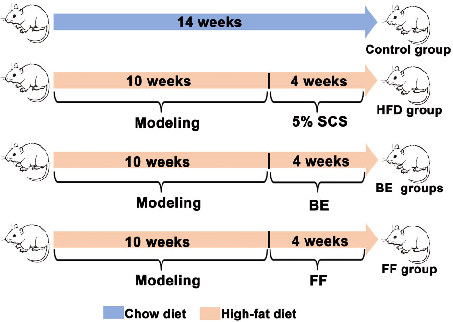
The experimental design outlines the group allocation including sodium carboxymethyl cellulose control, berberine-evodiamine combination, and fenofibrate positive control arms.
The combination of berberine and evodiamine ameliorates high-fat diet-induced non-alcoholic fatty liver …
Gut microbiota composition analyzed by 16S rRNA sequencing reveals distinct community structures across treatment groups, with the combination therapy restoring microbial diversity.
The combination of berberine and evodiamine ameliorates high-fat diet-induced non-alcoholic fatty liver …
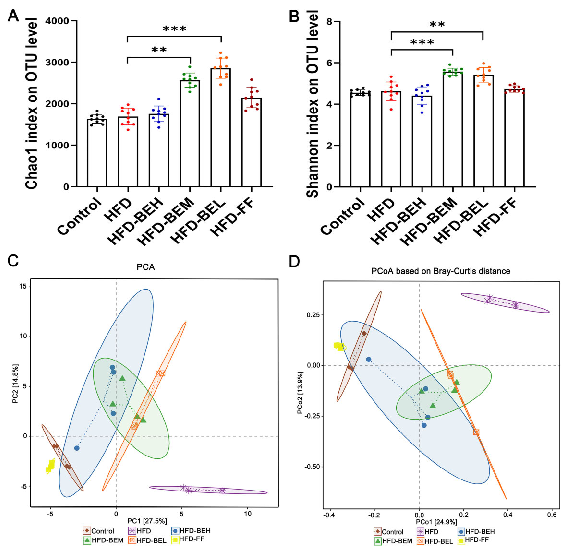
Alpha diversity indices of gut microbiota are compared across groups, indicating that berberine and evodiamine co-administration partially reverses high-fat diet-induced dysbiosis.
The combination of berberine and evodiamine ameliorates high-fat diet-induced non-alcoholic fatty liver …
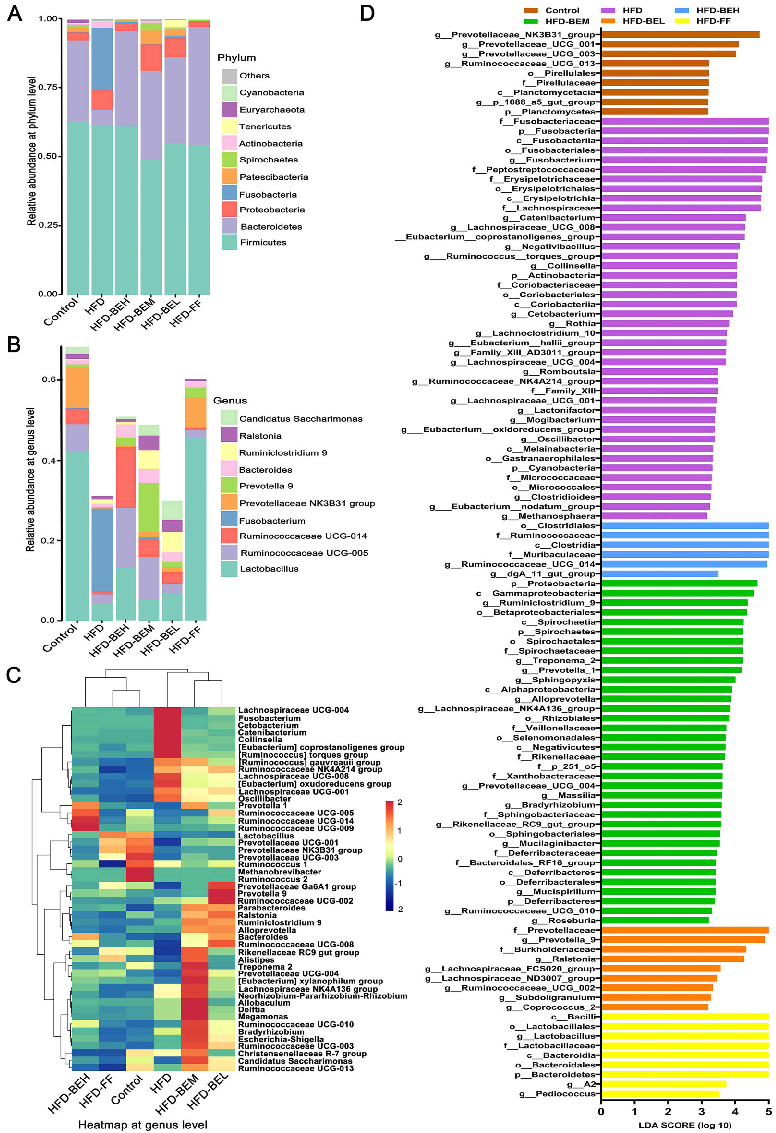
Key bacterial taxa differentially abundant between treatment groups are identified, with specific genera associated with improved metabolic outcomes in the combination therapy arm.
The combination of berberine and evodiamine ameliorates high-fat diet-induced non-alcoholic fatty liver …
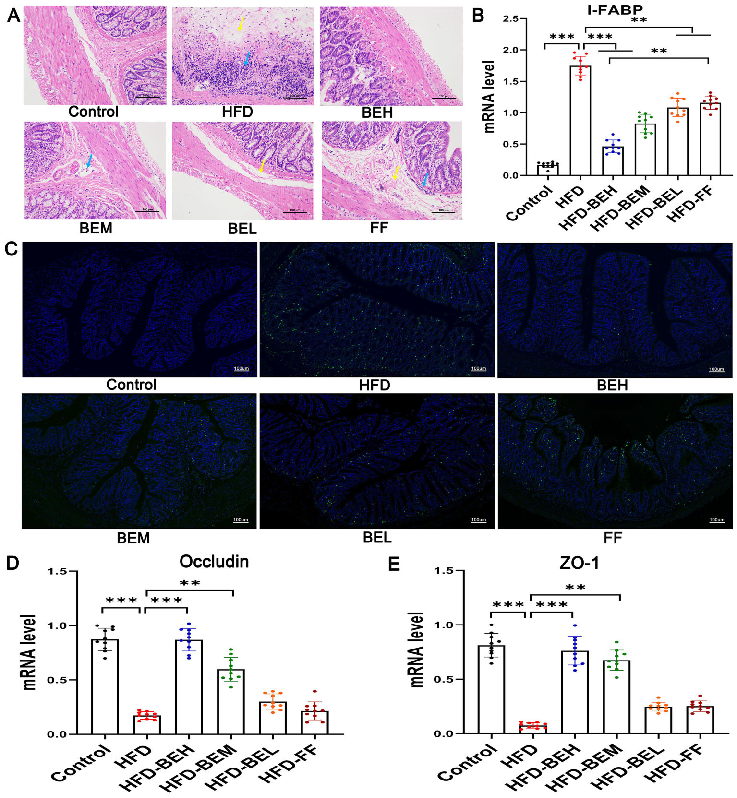
Short-chain fatty acid concentrations in fecal samples reflect changes in microbial metabolic activity following berberine and evodiamine treatment.
The combination of berberine and evodiamine ameliorates high-fat diet-induced non-alcoholic fatty liver …
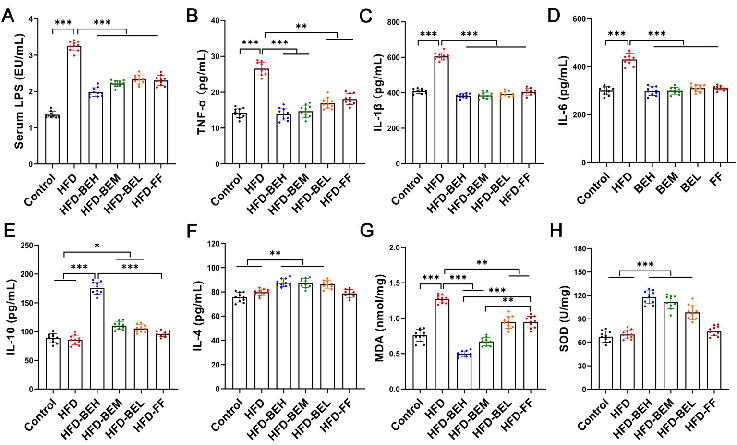
Correlation analysis between gut microbiota composition and hepatic lipid parameters links specific bacterial taxa to the amelioration of non-alcoholic fatty liver disease.
The combination of berberine and evodiamine ameliorates high-fat diet-induced non-alcoholic fatty liver …
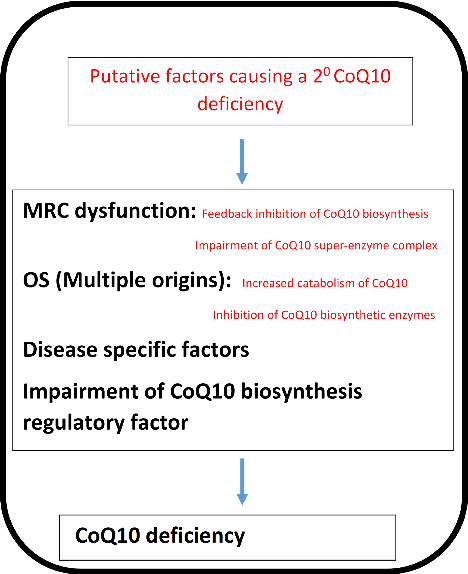
Diagram illustrating the potential factors responsible for secondary CoQ10 deficiency, including oxidative stress, mitochondrial respiratory chain dysfunction, and medication-induced depletion.
Depletion and Supplementation of Coenzyme Q10 in Secondary Deficiency Disorders.
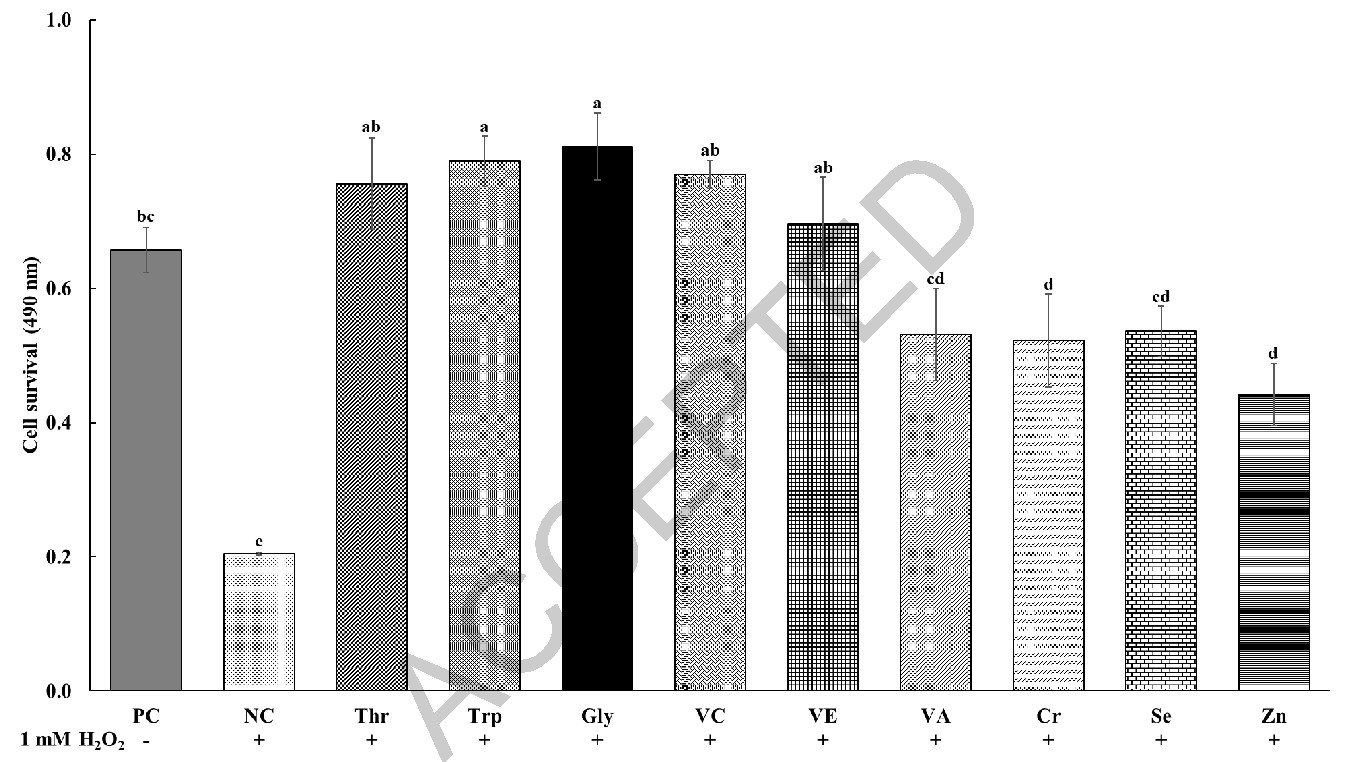
Effects of functional nutrients on chicken intestinal epithelial cells induced with oxidative …
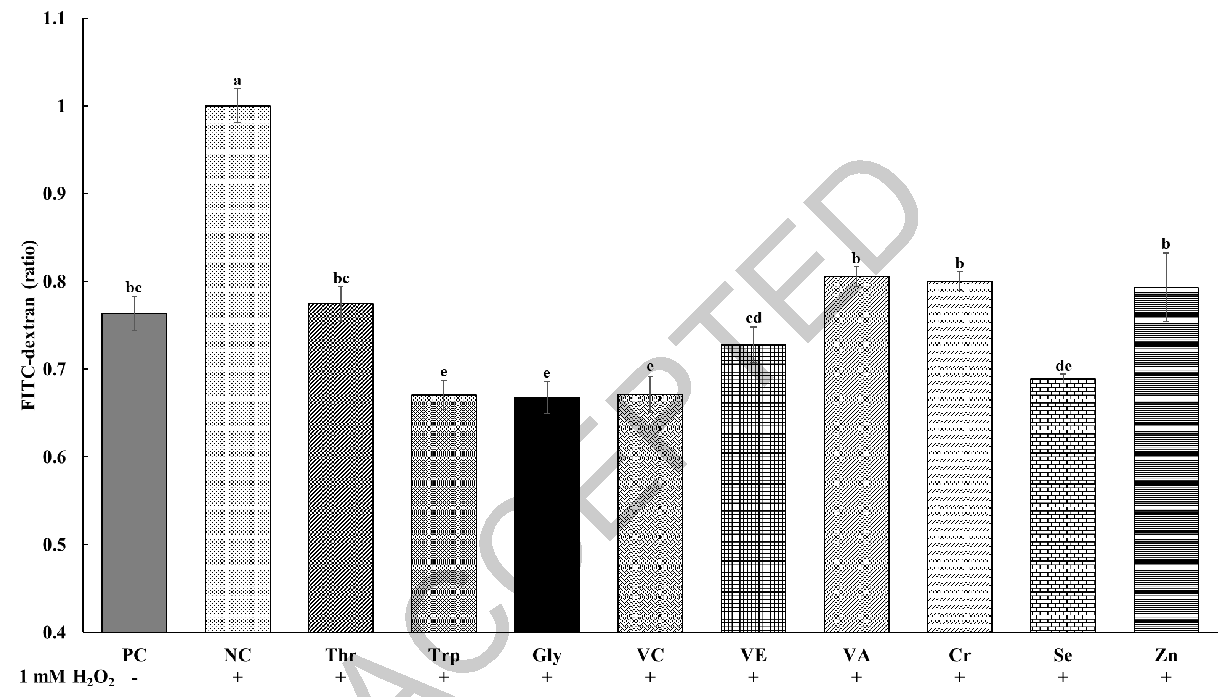
Effects of functional nutrients on chicken intestinal epithelial cells induced with oxidative …
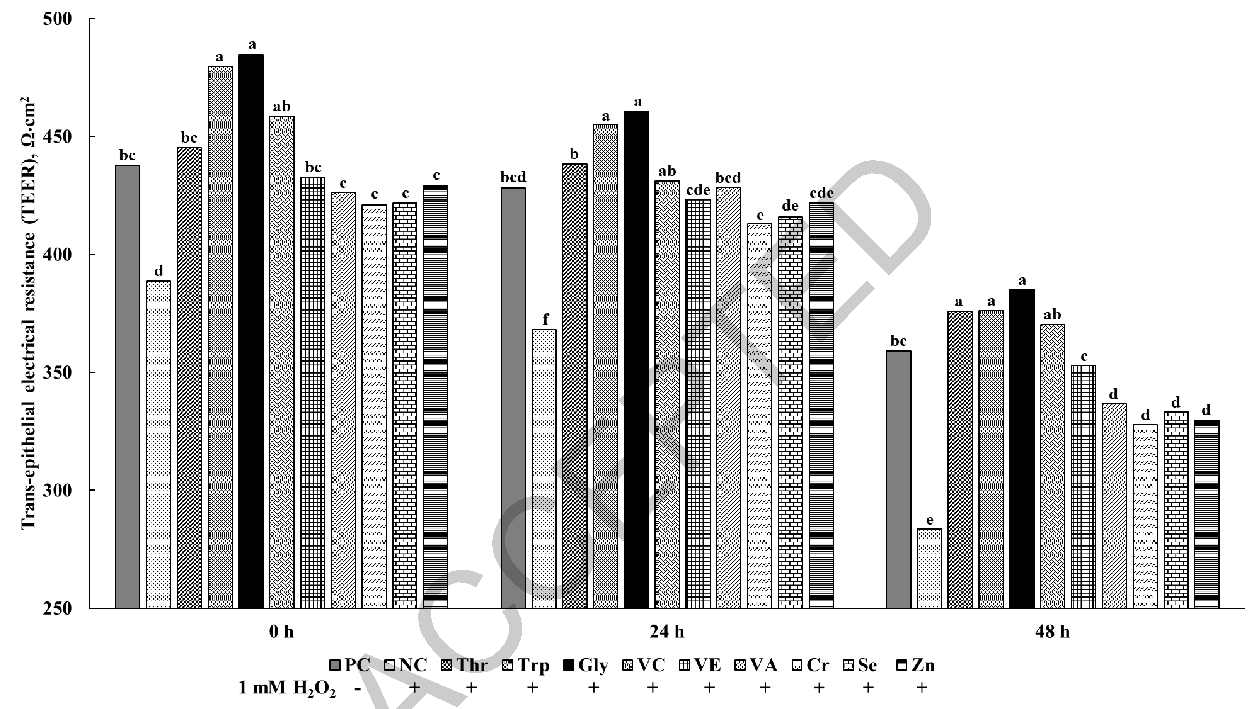
Effects of functional nutrients on chicken intestinal epithelial cells induced with oxidative …
Introductory overview of the carotenoid compounds evaluated for neuroprotective effects in Alzheimer's disease. The review examines how these dietary pigments may counteract neurodegeneration through antioxidant and anti-inflammatory pathways.
Carotenoid Supplementation for Alleviating the Symptoms of Alzheimer's Disease.
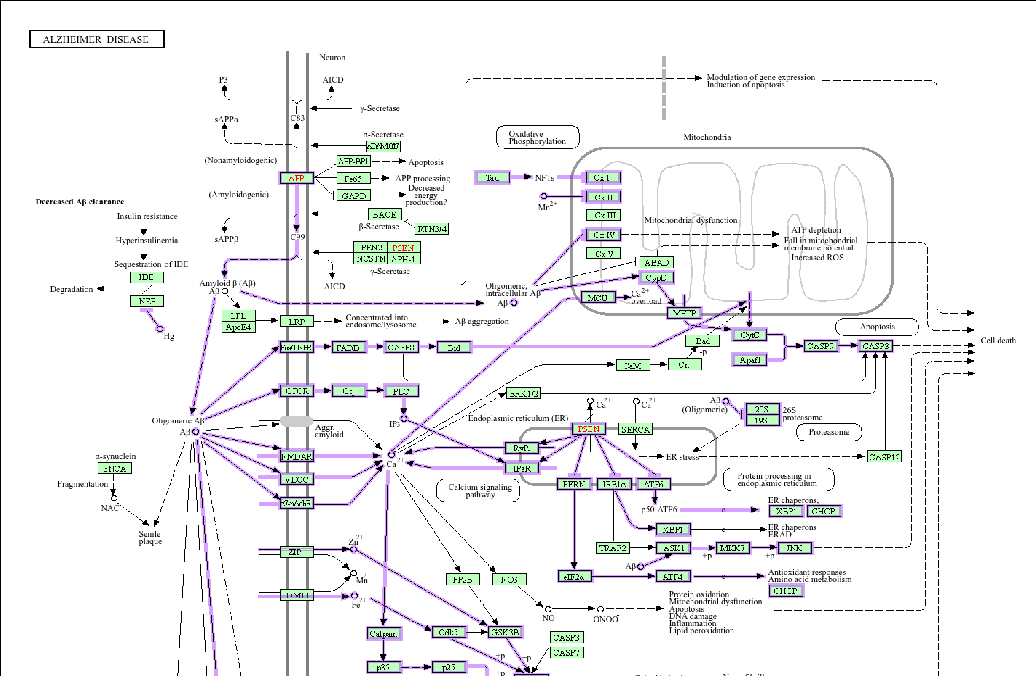
![Figure 1. Alzheimer’s disease KEGG pathway (hsa05010; Alzheimer disease—Homo sapiens (human)) generated online at https://www.genome.jp/kegg-bin/show_pathway?hsa05010, accessed on 8 March 2024) [115].](https://pdfs.citedhealth.com/figures/39201668/171.png)
KEGG pathway map (hsa05010) illustrating the molecular cascade involved in Alzheimer's disease pathogenesis in humans. The diagram highlights potential intervention points where carotenoid compounds may modulate amyloid-beta accumulation, tau phosphorylation, and neuroinflammatory signaling.
Carotenoid Supplementation for Alleviating the Symptoms of Alzheimer's Disease.
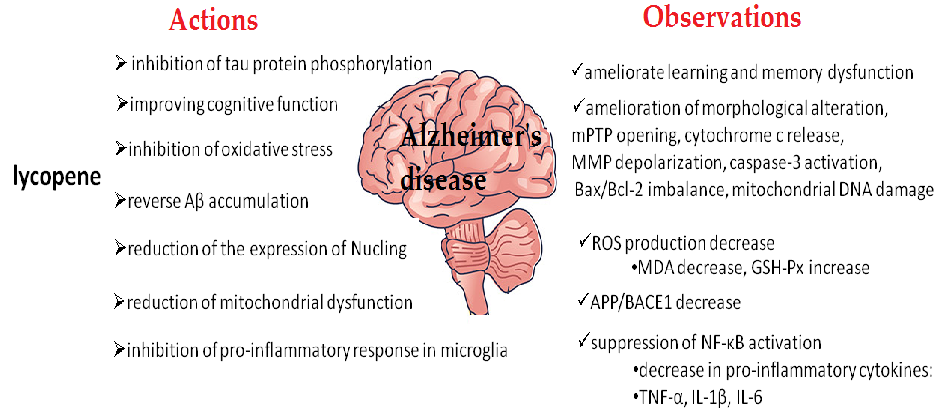
Evidence summary on the association between specific carotenoid compounds and Alzheimer's disease biomarkers. The data suggest that higher carotenoid status may be linked to reduced oxidative damage in neural tissues.
Carotenoid Supplementation for Alleviating the Symptoms of Alzheimer's Disease.
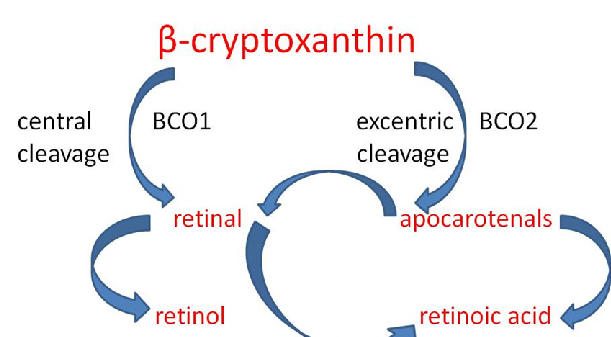
Alpha- and beta-cryptoxanthin serve as provitamin A sources due to their unsubstituted beta-ring structure. The review discusses their potential role in Alzheimer's disease prevention through both antioxidant activity and vitamin A metabolite production in neural tissue.
Carotenoid Supplementation for Alleviating the Symptoms of Alzheimer's Disease.
Страница 2 из 4