अनुसंधान प्रक्रिया
25 सहकर्मी-समीक्षित शोध से आंकड़े
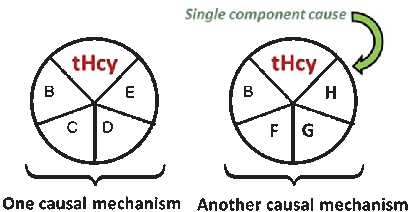
A causal model illustrates how elevated plasma homocysteine may contribute to dementia through multiple pathways, interacting with other risk factors such as age, hypercholesterolemia, and genetic predisposition. No single factor is sufficient alone; rather, combinations of component causes drive disease.
Homocysteine and Dementia: An International Consensus Statement.
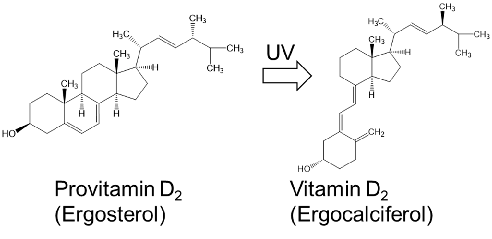
Structures of provitamin D2 and vitamin D2 found in commercially available Chlorella products are displayed, demonstrating the ergosterol-to-ergocalciferol conversion pathway.
Potential of Chlorella as a Dietary Supplement to Promote Human Health.
Homocysteine metabolic pathway in mammals is depicted showing how Chlorella-derived folate and vitamin B12 participate as essential cofactors in methionine remethylation and transsulfuration reactions.
Potential of Chlorella as a Dietary Supplement to Promote Human Health.
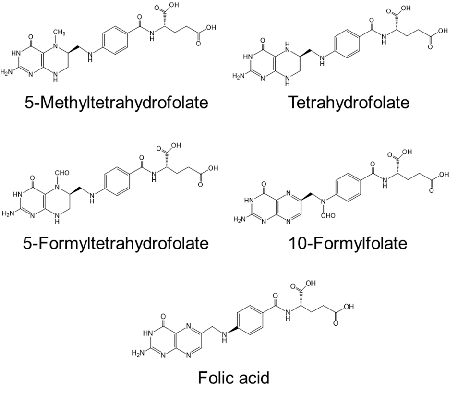
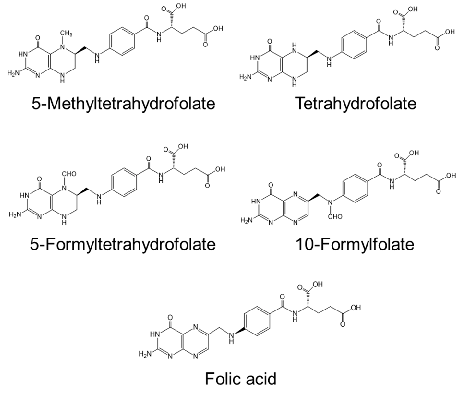
Chemical structures of folate compounds found in commercially available Chlorella products are displayed, including tetrahydrofolate and 5-methyltetrahydrofolate forms.
Potential of Chlorella as a Dietary Supplement to Promote Human Health.
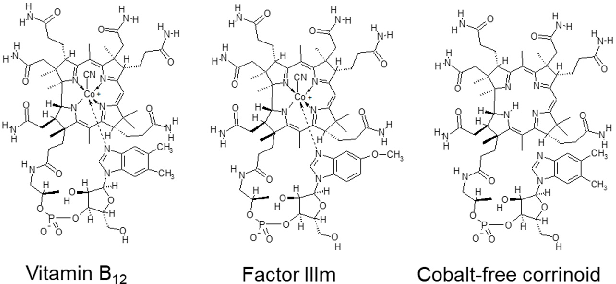
Chemical structures of vitamin B12 and related corrinoid compounds found in Chlorella products are presented, with identification of true cobalamin versus inactive analogues.
Potential of Chlorella as a Dietary Supplement to Promote Human Health.
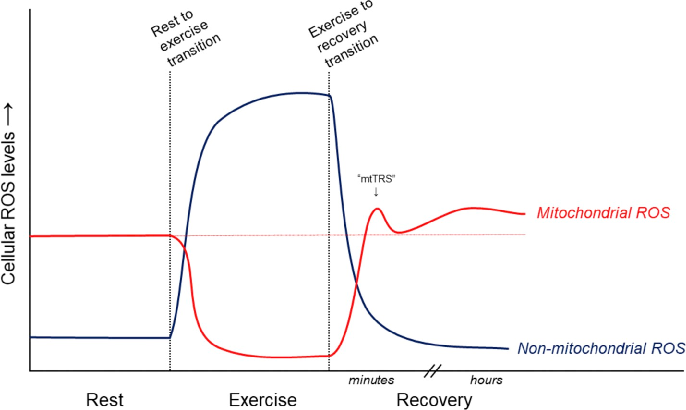
Proposed relative contributions of mitochondrial and non-mitochondrial ROS sources to overall cellular ROS levels in skeletal muscle during and after exercise are depicted. NADPH oxidase, xanthine oxidase, and mitochondrial electron transport chain are the primary generators.
Antioxidant supplements and endurance exercise: Current evidence and mechanistic insights.
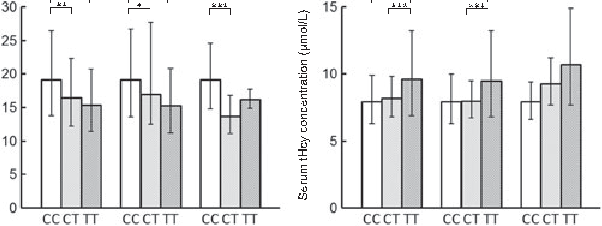
Moderate hyperhomocysteinemia resulting from low folate status is an independent risk factor for cardiovascular disease, dementia, and depression. This figure maps the clinical consequences of impaired folate metabolism due to genetic variants.
Genetic polymorphisms and folate status.
![Figure 1. One-carbon metabolism. Abbreviations: PLP, plasma pyridoxal phosphate; MTHFR, methylenetetrahydrofolate reductase; FAD, flavin adenine dinucleotide; FMN, flavin mononucleotide. Adapted from [16].](https://pdfs.citedhealth.com/figures/27854316/97.png)
One-carbon metabolism pathways involving folate, vitamin B12, and vitamin B6 are mapped, showing key enzymatic reactions catalyzed by MTHFR and the roles of FAD and FMN as cofactors in homocysteine recycling.
Causes, Consequences and Public Health Implications of Low B-Vitamin Status in Ageing.
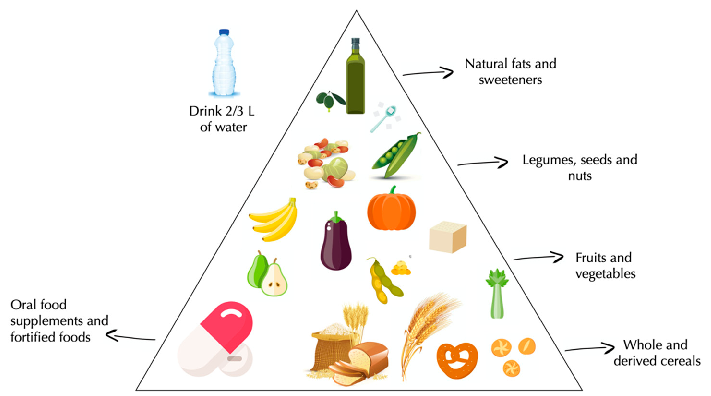
A vegan food pyramid illustrates recommended dietary proportions for plant-based nutrition, organizing food groups by suggested intake frequency to support metabolic health.
Vegan Diet Health Benefits in Metabolic Syndrome.
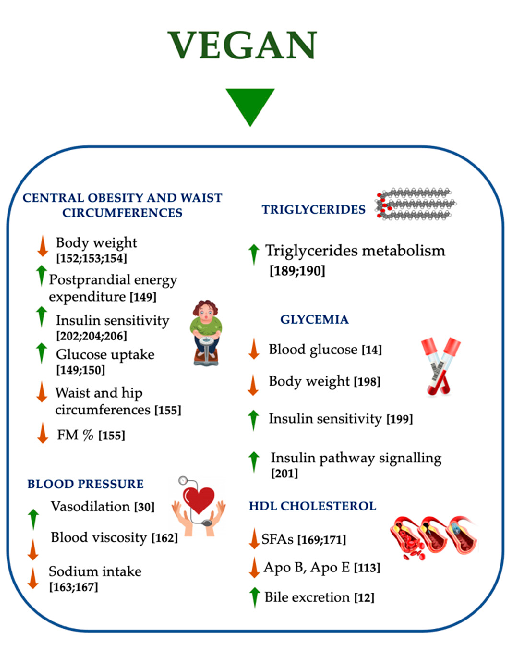
Beneficial effects of a vegan diet on metabolic syndrome components are mapped, showing improvements in apolipoprotein profiles, fat mass reduction, and decreased saturated fatty acid intake alongside their downstream metabolic consequences.
Vegan Diet Health Benefits in Metabolic Syndrome.
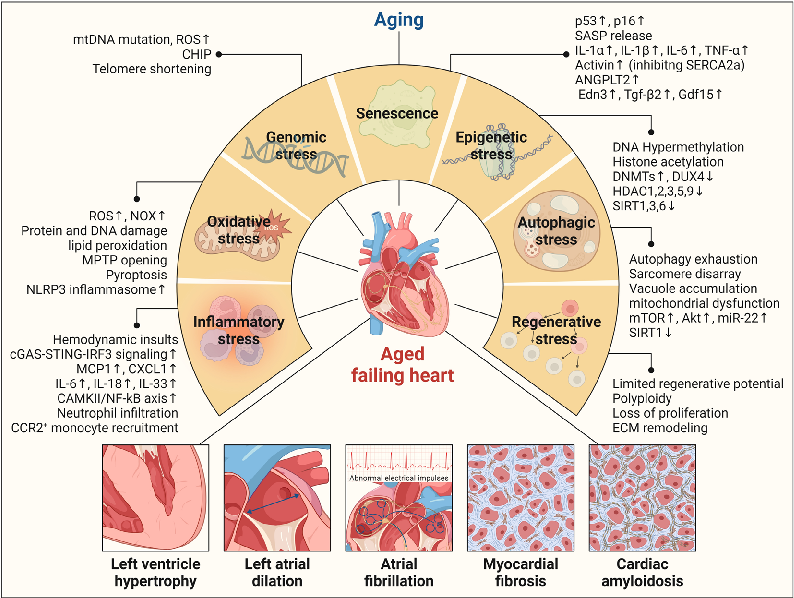
Comprehensive diagram of cardiac aging mechanisms leading to heart failure, depicting how genomic, epigenetic, oxidative, autophagic, and inflammatory stresses drive structural changes including left ventricular hypertrophy and myocardial fibrosis.
Systemic aging fuels heart failure: Molecular mechanisms and therapeutic avenues.
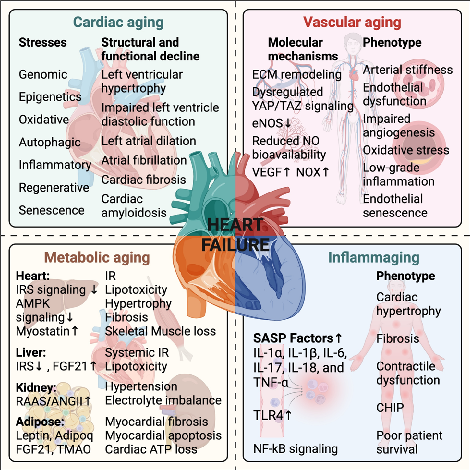
Systemic aging pathways fueling heart failure, summarizing cardiac, vascular, metabolic, and inflammaging mechanisms alongside their associated molecular changes and clinical phenotypes.
Systemic aging fuels heart failure: Molecular mechanisms and therapeutic avenues.
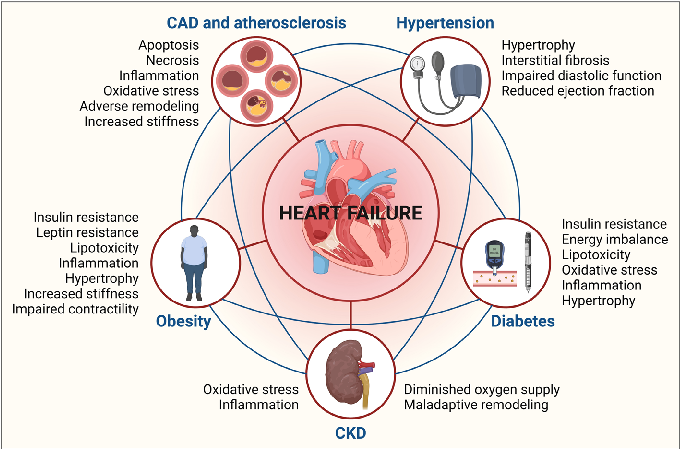
Molecular mechanisms or therapeutic targets related to age-associated heart failure, covering topics such as senescent cell accumulation, RAAS dysregulation, and potential anti-aging interventions.
Systemic aging fuels heart failure: Molecular mechanisms and therapeutic avenues.
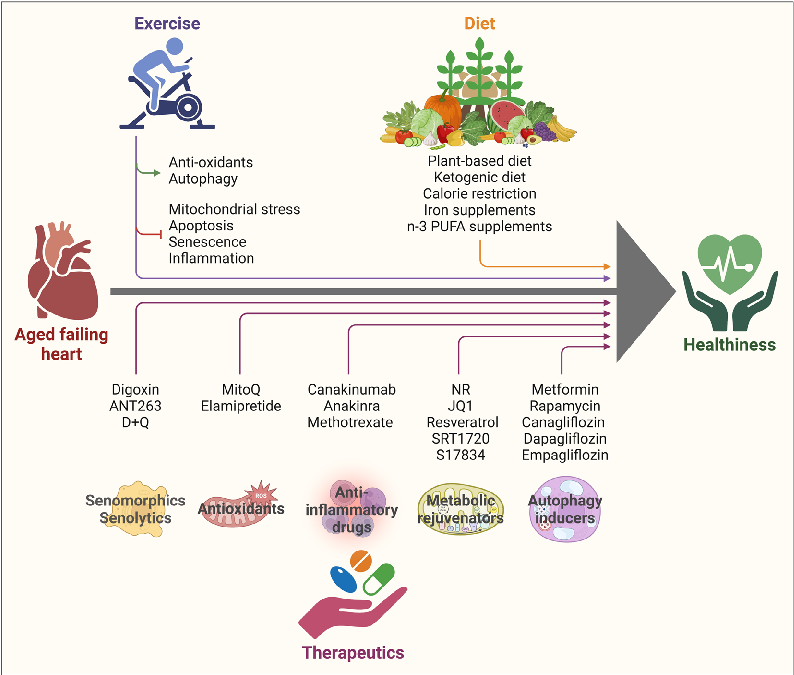
Molecular mechanisms or therapeutic targets related to age-associated heart failure, covering topics such as senescent cell accumulation, RAAS dysregulation, and potential anti-aging interventions.
Systemic aging fuels heart failure: Molecular mechanisms and therapeutic avenues.
Various nanoparticle-based drug delivery systems designed to cross the blood-brain barrier are depicted, including liposomes, polymeric nanoparticles, and solid lipid carriers for Alzheimer's disease therapeutics.
Latest Perspectives on Alzheimer's Disease Treatment: The Role of Blood-Brain Barrier and …
Antioxidant mechanisms relevant to Alzheimer's disease neuroprotection are summarized, highlighting how reactive oxygen species contribute to neurodegeneration and how antioxidant-loaded delivery systems may counteract oxidative damage.
Latest Perspectives on Alzheimer's Disease Treatment: The Role of Blood-Brain Barrier and …
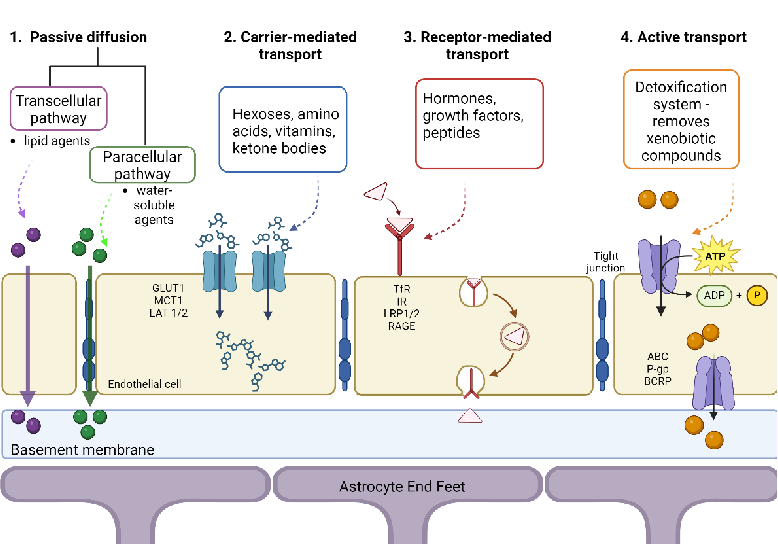
A comparative overview of different blood-brain barrier crossing strategies is presented, including receptor-mediated transcytosis, adsorptive transcytosis, and focused ultrasound approaches for drug delivery.
Latest Perspectives on Alzheimer's Disease Treatment: The Role of Blood-Brain Barrier and …
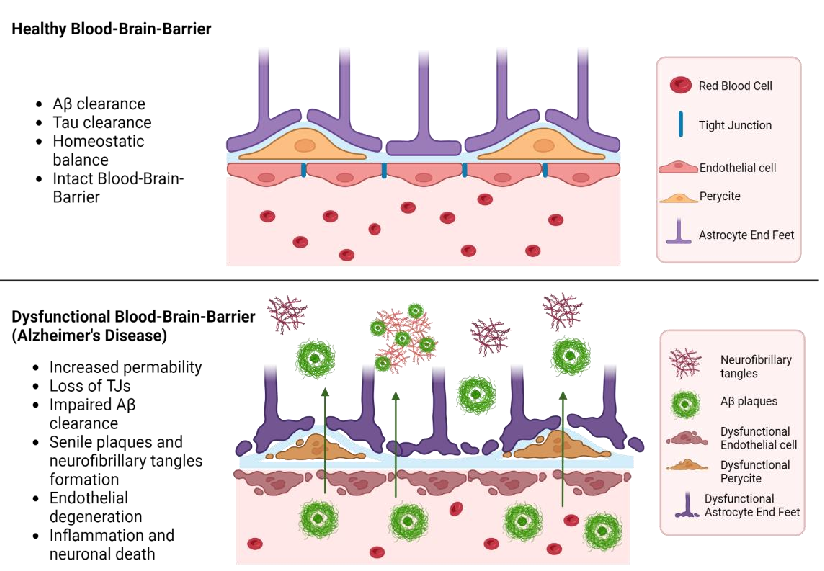
A schematic timeline of Alzheimer's disease progression alongside potential intervention windows for antioxidant and BBB-targeting drug delivery systems is shown, emphasizing early intervention strategies.
Latest Perspectives on Alzheimer's Disease Treatment: The Role of Blood-Brain Barrier and …
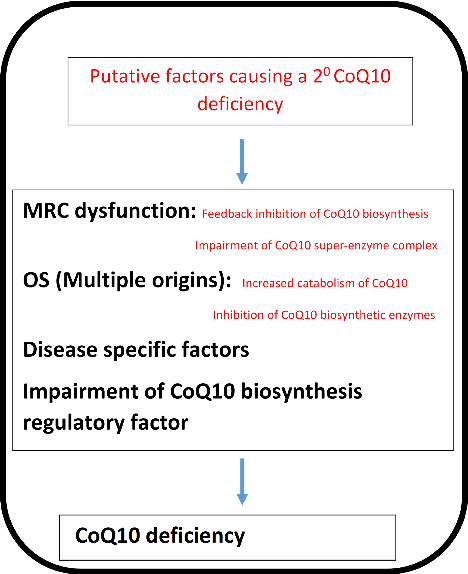
Diagram illustrating the potential factors responsible for secondary CoQ10 deficiency, including oxidative stress, mitochondrial respiratory chain dysfunction, and medication-induced depletion.
Depletion and Supplementation of Coenzyme Q10 in Secondary Deficiency Disorders.
Introductory overview of the carotenoid compounds evaluated for neuroprotective effects in Alzheimer's disease. The review examines how these dietary pigments may counteract neurodegeneration through antioxidant and anti-inflammatory pathways.
Carotenoid Supplementation for Alleviating the Symptoms of Alzheimer's Disease.
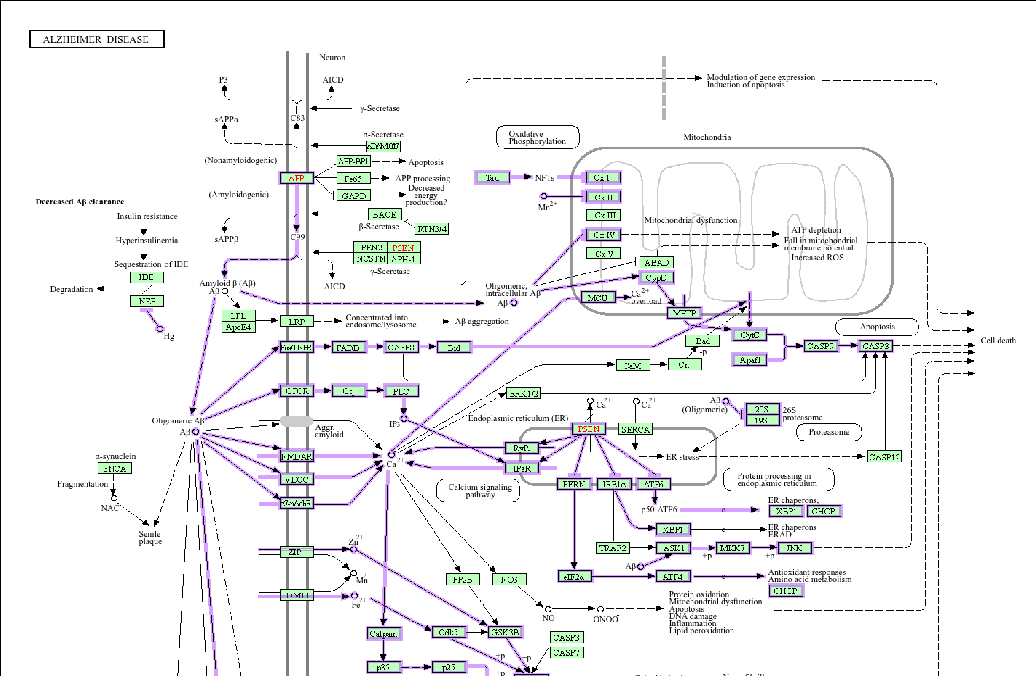
![Figure 1. Alzheimer’s disease KEGG pathway (hsa05010; Alzheimer disease—Homo sapiens (human)) generated online at https://www.genome.jp/kegg-bin/show_pathway?hsa05010, accessed on 8 March 2024) [115].](https://pdfs.citedhealth.com/figures/39201668/171.png)
KEGG pathway map (hsa05010) illustrating the molecular cascade involved in Alzheimer's disease pathogenesis in humans. The diagram highlights potential intervention points where carotenoid compounds may modulate amyloid-beta accumulation, tau phosphorylation, and neuroinflammatory signaling.
Carotenoid Supplementation for Alleviating the Symptoms of Alzheimer's Disease.
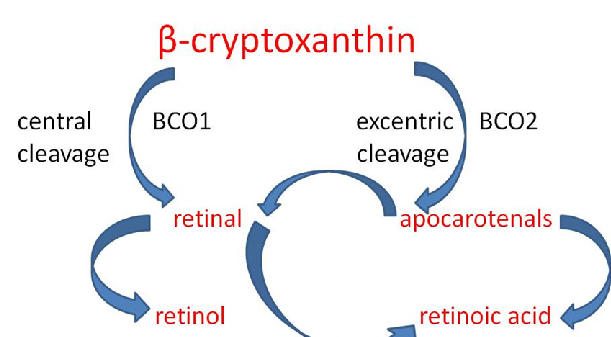
Alpha- and beta-cryptoxanthin serve as provitamin A sources due to their unsubstituted beta-ring structure. The review discusses their potential role in Alzheimer's disease prevention through both antioxidant activity and vitamin A metabolite production in neural tissue.
Carotenoid Supplementation for Alleviating the Symptoms of Alzheimer's Disease.
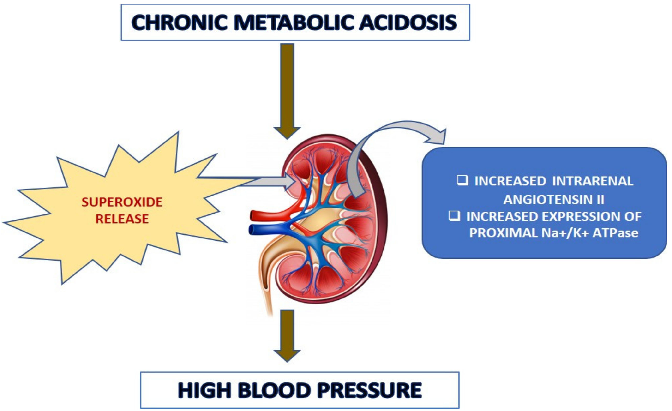
Schematic representation of possible pathophysiological routes of acidosis-induced increased blood pressure.
Chronic Metabolic Acidosis Elicits Hypertension via Upregulation of Intrarenal Angiotensin II and …
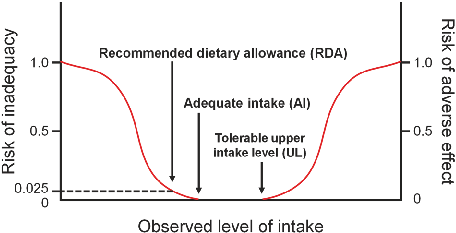
Fig. 1 Dietary reference intakes.
Dietary supplements and prevention of preeclampsia.
पृष्ठ 1 / 2